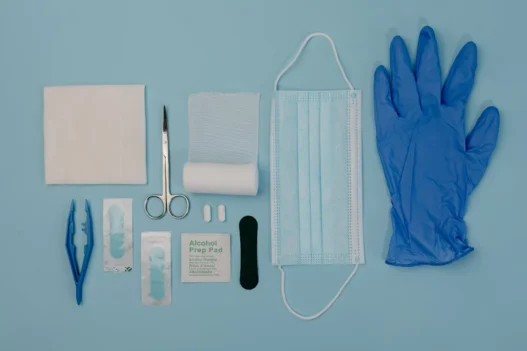

0GPRX0Z is a medical code that refers to the procedure of removing a drainage device from the parathyroid gland using an external approach. This code is used by healthcare providers to accurately document and bill for this specific medical service.
Table of Contents:
- 🔎 Clinical Indication
- 📋 Preparation
- 📖 Methodology
- 🩹 Recovery
- 🚨 Complexity & Risk
- 🔀 Similar Procedures
🔎 Clinical Indication
The removal of a drainage device from the parathyroid gland, using an external approach, may be necessary to prevent infection or complications following a procedure. This device is typically placed to aid in draining fluid or blood from the surgical site after surgery.
Once the need for the drainage device has passed, it is important to remove it to avoid potential issues such as blockage or discomfort. This procedure is relatively simple and is performed under local anesthesia in most cases.
Overall, the removal of a drainage device from the parathyroid gland is a routine step in the post-operative care of patients who have undergone surgery in that area. It helps to promote proper healing and reduce the risk of infection.
📋 Preparation
Before undergoing the procedure 0GPRX0Z (Removal of Drainage Device from Parathyroid Gland, External Approach), the patient will need to fast for a certain period of time. This fasting period helps reduce the risk of complications during the surgery.
Additionally, the patient may need to undergo preoperative testing such as blood work and imaging scans to ensure they are in good health for the procedure. These tests help the medical team assess the patient’s overall condition and determine the best course of action for the surgery.
Lastly, the patient will meet with the surgeon to discuss the procedure, address any concerns, and review the risks and benefits. This consultation allows the patient to ask any questions they may have and ensures that both the patient and surgeon are on the same page before proceeding with the surgery.
📖 Methodology
During the procedure 0GPRX0Z, a drainage device is removed from the parathyroid gland using an external approach. This device may have been previously inserted to help with fluid drainage following surgery or to treat a specific condition.
The removal of the drainage device is a relatively straightforward process that typically does not require a lengthy recovery period. The patient may experience some discomfort or minor side effects, but these are usually temporary and can be managed with appropriate care.
After the drainage device is removed, the patient’s healthcare team will monitor them closely to ensure that the parathyroid gland is functioning properly and that there are no complications. Follow-up appointments may be necessary to confirm that the procedure was successful and to address any concerns that may arise.
🩹 Recovery
After the removal of a drainage device from the parathyroid gland through an external approach, patients can typically expect a quick recovery time.
Patients may experience mild discomfort or soreness at the incision site, but these symptoms should diminish within a few days. It is important to follow post-operative instructions provided by the healthcare team to ensure proper healing and minimize any potential complications.
🚨 Complexity & Risk
Performing the 0GPRX0Z procedure involves removing a drainage device from the parathyroid gland using an external approach. This process can be complex due to the delicate nature of the gland and its proximity to critical structures in the neck.
Patients undergoing the 0GPRX0Z procedure may face potential risks such as injury to nearby nerves or blood vessels, which could result in complications like hoarseness, difficulty swallowing, or excessive bleeding. It is important for healthcare professionals to carefully assess the risks and benefits of this procedure before proceeding with treatment.
🔀 Similar Procedures
Another medical procedure similar to the removal of a drainage device from the parathyroid gland is the removal of a cyst from the thyroid gland. In both cases, surgeons must use an external approach to access and remove the problematic tissue or device.
During the removal of a cyst from the thyroid gland, surgeons make an incision near the neck to reach and extract the cyst. This procedure is also necessary to prevent potential complications and ensure the proper functioning of the thyroid gland.