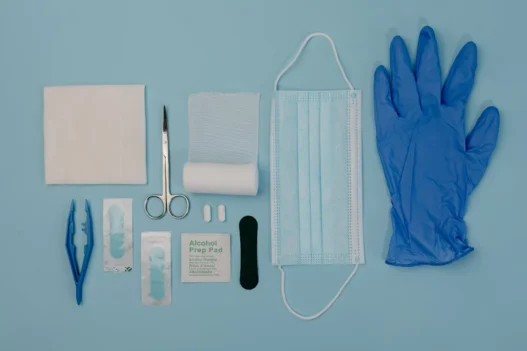

0H95XZX refers to the procedure of draining fluid or air from beneath the skin of the chest using an exterior opening, typically to investigate or diagnose a medical condition. This technique allows for a thorough examination without invasive surgery.
Table of Contents:
- 🔎 Clinical Indication
- 📋 Preparation
- 📖 Methodology
- 🩹 Recovery
- 🚨 Complexity & Risk
- 🔀 Similar Procedures
🔎 Clinical Indication
A physician may perform the procedure 0H95XZX (Drainage of Chest Skin, External Approach, Diagnostic) to investigate the presence of abnormal fluid accumulation in the chest region. This diagnostic procedure may be necessary to identify the underlying cause of the fluid buildup, such as infection, trauma, or malignancy.
By draining the fluid from the chest skin externally, healthcare providers can collect samples for further analysis, including culture testing to determine if an infection is present. This procedure can also help alleviate symptoms such as chest pain or shortness of breath that may be associated with the fluid accumulation in the chest cavity.
📋 Preparation
Before undergoing the 0H95XZX procedure, patients will typically be asked to fast for a certain period of time, usually starting at midnight the night before. This is to reduce the risk of aspiration during the procedure.
Patients may also be instructed to stop taking certain medications that could affect blood clotting, such as aspirin or blood thinners. This is to minimize the risk of excessive bleeding during the procedure.
In addition, patients will likely be required to sign a consent form, indicating that they understand the risks and benefits of the procedure. This is to ensure that the patient has been fully informed and has given their permission for the procedure to be performed.
📖 Methodology
During 0H95XZX, a healthcare provider makes a small incision in the chest skin to collect fluid for diagnostic testing. This procedure is typically done to investigate the cause of chest pain or difficulty breathing.
The external approach allows for easy access to the area of concern without more invasive techniques. By draining the fluid, doctors can analyze it for infection, inflammation, or other abnormalities. This helps guide further treatment options for the patient.
🩹 Recovery
After a drainage of chest skin using an external approach for diagnostic purposes, recovery typically involves keeping the area clean and dry. It is important to follow the healthcare provider’s instructions for wound care to prevent infection and promote healing. Pain medication may be prescribed to manage any discomfort during the recovery period.
🚨 Complexity & Risk
Performing 0H95XZX, a procedure involving the drainage of chest skin through an external approach for diagnostic purposes, involves a high level of complexity due to the delicate nature of the chest area and the need for precision in locating and draining fluid.
Potential risks to patients include infection, bleeding, and damage to surrounding tissues. It is crucial for healthcare providers to carefully assess the necessity of performing this procedure and weigh the potential benefits against the risks involved.
Patients undergoing 0H95XZX should be informed about the procedure, its risks, and possible alternatives. Healthcare providers must ensure proper informed consent and follow strict protocols to minimize any complications that may arise during or after the procedure.
🔀 Similar Procedures
Another medical procedure that is similar to Drainage of Chest Skin, External Approach, Diagnostic is a thoracentesis. Both procedures involve inserting a needle or catheter into the chest area to drain fluid or air for diagnostic purposes.
In a thoracentesis, the healthcare provider may withdraw fluid or air from the pleural space between the lungs and chest wall using a needle. This procedure is commonly done to diagnose and treat conditions such as pneumonia, lung cancer, or pleural effusion.
Like the Drainage of Chest Skin, External Approach, Diagnostic procedure, a thoracentesis may also be done under local anesthesia in a healthcare setting. It is important for patients to follow post-procedure care instructions and report any complications to their healthcare provider.