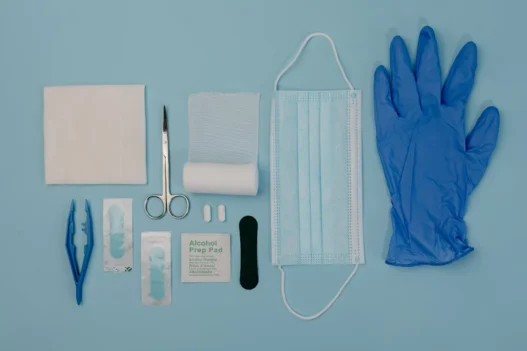

0H9FX0Z is a medical procedure that involves draining fluid from the skin on the right hand using a drainage device. This procedure is done externally, meaning the drainage device is placed outside of the body to help remove excess fluid.
Table of Contents:
- 🔎 Clinical Indication
- 📋 Preparation
- 📖 Methodology
- 🩹 Recovery
- 🚨 Complexity & Risk
- 🔀 Similar Procedures
🔎 Clinical Indication
Drainage of Right Hand Skin with Drainage Device, External Approach may be performed to remove excess fluid or pus from an infected wound on the skin of the right hand. This procedure can help alleviate pain, reduce swelling, and promote healing.
By using a drainage device externally, medical professionals can ensure that the wound is properly cleaned and the fluid is effectively removed. This can prevent further infection and help the wound heal faster.
📋 Preparation
Before undergoing 0H9FX0Z, the patient will need to be prepared for the procedure. This involves cleaning the right hand skin with antiseptic solution to reduce the risk of infection. The area will also be numbed with local anesthesia to minimize discomfort during the drainage process.
📖 Methodology
During 0H9FX0Z, a drainage device is inserted through an external approach to remove excess fluid from the skin on the right hand. This procedure helps to reduce swelling, promote healing, and prevent infection.
The drainage device allows the fluid to escape from the skin and into a collection bag, which is then emptied regularly by healthcare providers. This process helps to speed up the recovery process and improve the overall outcome of the procedure.
After the fluid has been drained, the drainage device is usually removed and the patient’s skin is monitored for any signs of complications such as infection or excessive bleeding. Overall, the drainage of right hand skin with a drainage device is a common procedure that can help improve the patient’s comfort and aid in the healing process.
🩹 Recovery
After the Drainage of Right Hand Skin with Drainage Device, External Approach procedure, the incision will be closed with sutures or staples to promote healing. The drainage device will help remove any excess fluid or pus from the wound site to prevent infection and aid in recovery.
Patients may experience some discomfort or pain at the incision site following the procedure, but this can be managed with pain medication prescribed by the doctor. It is important to keep the wound clean and dry to prevent complications and allow for proper healing.
Recovery time can vary depending on the individual and the extent of the procedure, but most patients can expect to return to normal activities within a few days to a week. Follow-up appointments with the doctor may be necessary to monitor healing and ensure that there are no signs of infection.
🚨 Complexity & Risk
Performing 0H9FX0Z, the drainage of right hand skin with a drainage device using an external approach, is a complex procedure. The surgery involves carefully inserting a drainage device into the skin of the right hand to remove excess fluid or pus.
Patients undergoing this procedure may face potential risks, including infection, excessive bleeding, or damage to surrounding tissues. It is essential for healthcare providers to closely monitor patients post-surgery to watch for any signs of complications.
🔀 Similar Procedures
Another similar medical procedure to 0H9FX0Z is the drainage of abscesses. When a patient has a collection of pus that needs to be drained, a healthcare provider may use a similar external approach to insert a drainage device. This procedure helps relieve pressure and allows the infection to drain properly.
Another related procedure is the placement of a chest tube. When a patient has excess fluid or air in the pleural space around the lungs, a chest tube may be inserted through the chest wall to drain the fluid or air. This is done using an external approach similar to the one used in the drainage of right hand skin with a drainage device.
Both of these procedures involve the insertion of a drainage device through an external approach to remove fluid or infection from the body. They are essential in providing relief to patients and allowing for proper healing to occur.