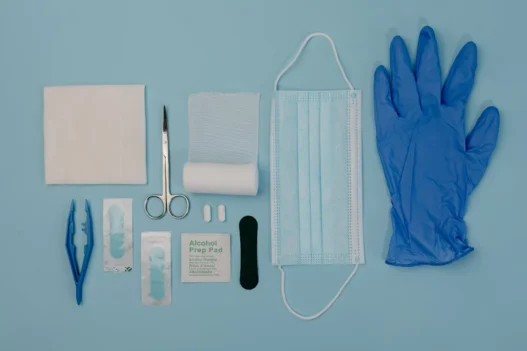

0SP6X4Z refers to the surgical procedure of removing a metal device from the tailbone using an external approach. This procedure is done to address any complications or discomfort caused by the internal fixation device in the coccygeal joint.
Table of Contents:
- 🔎 Clinical Indication
- 📋 Preparation
- 📖 Methodology
- 🩹 Recovery
- 🚨 Complexity & Risk
- 🔀 Similar Procedures
🔎 Clinical Indication
If a patient is experiencing pain or discomfort due to their internal fixation device in the coccygeal joint, the procedure to remove it through an external approach may be necessary.
Removing the internal fixation device can help alleviate any symptoms the patient may be experiencing, allowing them to have a better quality of life without the device causing any issues. It is a relatively straightforward procedure that can be done to improve the patient’s overall comfort and functionality in that area.
📋 Preparation
Before undergoing the Removal of Internal Fixation Device from the Coccygeal Joint, the patient will need to have a detailed discussion with their healthcare provider to understand the procedure and its risks.
The patient may need to fast for a certain period of time before the surgery to prevent complications during anesthesia.
Additionally, the patient may need to stop taking certain medications, such as blood thinners, in the days leading up to the procedure to reduce the risk of excessive bleeding.
📖 Methodology
During the procedure 0SP6X4Z, the medical team will remove an internal fixation device from the coccygeal joint using an external approach. This typically involves making a small incision in the skin near the coccyx to access the device.
Once the device is exposed, the surgeon will carefully remove it from the joint. This may require loosening screws or other means of fixation used to secure the device in place during the initial surgery.
After removal, the incision is closed with sutures or staples, and the patient is monitored for any potential complications. Overall, the goal of this procedure is to address any issues related to the internal fixation device and promote healing in the coccygeal joint.
🩹 Recovery
After the internal fixation device is removed from the coccygeal joint using an external approach, the patient will typically experience some discomfort and pain in the affected area. This is normal as the body adjusts to the removal of the device.
Physical therapy may be recommended to help strengthen the muscles surrounding the coccyx and improve mobility. Follow-up appointments with the healthcare provider will be necessary to monitor the patient’s progress and ensure proper healing. It is essential for the patient to follow all post-operative instructions to promote a successful recovery.
🚨 Complexity & Risk
Performing 0SP6X4Z, the Removal of an Internal Fixation Device from the Coccygeal Joint using an External Approach, is a complex procedure. It involves careful navigation around delicate structures to extract the device without causing damage.
Potential risks to patients undergoing this procedure include infection, nerve damage, and bleeding. Surgeons must exercise caution and skill to minimize these risks and ensure the successful removal of the internal fixation device from the coccygeal joint.
🔀 Similar Procedures
Another medical procedure similar to the removal of an internal fixation device from the coccygeal joint is the removal of hardware from a broken bone. This is often necessary after a bone has healed and the metal screws or plates used to stabilize the fracture are no longer needed.
During this procedure, the surgeon will make an incision over the site of the hardware, remove the screws or plates, and then close the incision with sutures. This allows the bone to continue to heal naturally without the presence of foreign objects that are no longer necessary.