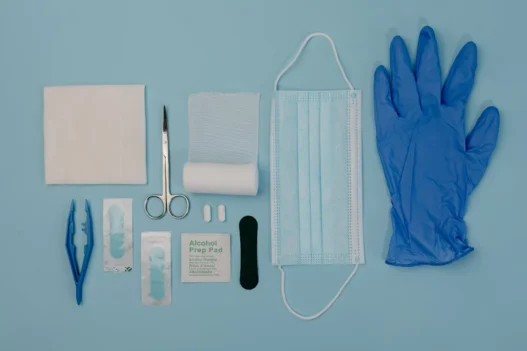

0SPDX0Z is a medical procedure where a drainage device is removed from the left knee joint using an external approach.
Table of Contents:
- 🔎 Clinical Indication
- 📋 Preparation
- 📖 Methodology
- 🩹 Recovery
- 🚨 Complexity & Risk
- 🔀 Similar Procedures
🔎 Clinical Indication
0SPDX0Z, or the removal of a drainage device from the left knee joint using an external approach, may be performed when the drainage device is no longer needed or is causing discomfort. This procedure allows for the safe and efficient removal of the device to promote healing and recovery in the knee joint.
During the removal process, the surgeon will make a small incision near the knee joint to access the drainage device. The device will then be carefully removed, ensuring that no damage is done to the surrounding tissues or structures in the knee.
After the removal is complete, the incision site will be closed and bandaged to promote proper healing. Patients may experience some discomfort or swelling following the procedure, but this should subside with rest and proper care.
📋 Preparation
Before undergoing 0SPDX0Z, the doctor will review the patient’s medical history and conduct a physical examination to ensure they are fit for the procedure. This may involve blood tests and imaging scans to assess the knee joint’s condition.
The patient may be instructed to avoid eating or drinking for a certain period of time before the procedure, typically starting at midnight the night before. This is done to reduce the risks associated with anesthesia and to ensure a safe surgery.
The patient will also be advised to arrange for someone to drive them home after the procedure, as they may be groggy from the anesthesia. Additionally, they may be given instructions on how to care for their knee post-surgery, such as keeping the incision clean and dry.
📖 Methodology
During 0SPDX0Z, the surgeon removes a drainage device from the left knee joint through an external approach. This procedure involves carefully extracting the device to prevent any damage to the surrounding tissue. Patients usually experience relief and improved mobility after the drainage device is removed.
🩹 Recovery
After the removal of a drainage device from the left knee joint, patients can expect a relatively quick recovery. Most individuals are able to resume normal activities within a few days to a week after the procedure.
It is important to follow postoperative care instructions provided by the healthcare provider, which may include keeping the incision site clean and dry, taking prescribed medications as directed, and attending follow-up appointments. Physical therapy may also be recommended to help restore strength and range of motion in the knee.
It is normal to experience some discomfort, swelling, and bruising after the drainage device removal, but these symptoms should gradually improve over time. If there are any signs of infection, increased pain, or other concerns, it is important to promptly contact a healthcare provider for further evaluation and treatment.
🚨 Complexity & Risk
Performing 0SPDX0Z involves removing a drainage device from the left knee joint using an external approach. The procedure is complex due to the sensitive nature of the knee joint and the need for precise surgical technique.
Potential risks to patients undergoing this procedure include infection, bleeding, damage to surrounding tissues, and the possibility of the drainage device not being completely removed. Patients should be informed of these risks and carefully monitored post-surgery to ensure proper healing and recovery.
🔀 Similar Procedures
In addition to the removal of a drainage device from the knee joint, another common medical procedure that is similar in nature is the extraction of a catheter from the bladder. Both procedures involve the removal of a foreign object from the body in order to allow the natural healing process to take place without obstruction. This type of procedure is typically performed under local anesthesia and is considered relatively minor in terms of invasiveness.