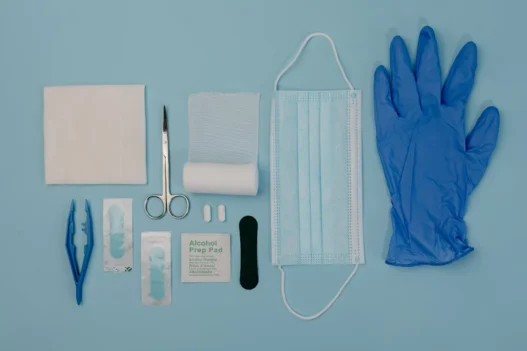

0SPM45Z is a medical procedure that involves removing a device from the joint in the foot using a minimally invasive endoscopic approach. This procedure is performed to address issues with the right metatarsal-phalangeal joint.
Table of Contents:
- 🔎 Clinical Indication
- 📋 Preparation
- 📖 Methodology
- 🩹 Recovery
- 🚨 Complexity & Risk
- 🔀 Similar Procedures
🔎 Clinical Indication
The procedure 0SPM45Z involves the removal of an external fixation device from the right metatarsal-phalangeal joint using a minimally invasive percutaneous endoscopic approach. This procedure may be performed to address any complications or issues with the external fixation device, such as infection or loosening.
By using a percutaneous endoscopic approach, the surgeon can remove the external fixation device with minimal disruption to the surrounding tissues and structures. This can help promote faster healing and decrease the risk of complications compared to traditional open surgery methods.
📋 Preparation
Before undergoing the Removal of External Fixation Device from Right Metatarsal-Phalangeal Joint using a Percutaneous Endoscopic Approach, the patient will first meet with their healthcare provider to discuss the procedure and address any concerns they may have.
Typically, the patient will need to fast for a certain period of time before the procedure in order to reduce the risk of complications during the removal of the fixation device from the right metatarsal-phalangeal joint.
Additionally, the healthcare provider may order blood tests or imaging studies to ensure that the patient is in good health and that there are no underlying conditions that could affect the success of the procedure. This preparation is essential for a smooth and successful removal process.
📖 Methodology
During the procedure 0SPM45Z, the external fixation device attached to the right metatarsal-phalangeal joint is removed. This process is done using a percutaneous endoscopic approach, meaning it is minimally invasive.
The device is removed from the joint through a small incision, allowing the surgeon to access the area with an endoscope. Once the device is safely removed, the incision is closed and the patient will continue their recovery process without the external fixation device.
Overall, this procedure aims to improve the functionality of the right metatarsal-phalangeal joint by removing the external fixation device and allowing for continued healing and rehabilitation.
🩹 Recovery
After the removal of the external fixation device from the right metatarsal-phalangeal joint using a percutaneous endoscopic approach, the patient will typically experience a brief recovery period.
During this recovery period, the patient may experience some discomfort or swelling at the surgical site, but this is normal and should gradually improve over time.
It is important for the patient to follow post-operative care instructions provided by their medical team to ensure proper healing and to minimize the risk of complications. Overall, the recovery process after this procedure is usually straightforward, with most patients able to resume normal activities relatively quickly.
🚨 Complexity & Risk
Performing the 0SPM45Z procedure involves the removal of an external fixation device from the right metatarsal-phalangeal joint using a percutaneous endoscopic approach. This operation is complex due to the delicate nature of the joint and the need for precise removal of the device without causing harm to surrounding tissues.
Patients undergoing the 0SPM45Z procedure are at risk of complications such as infection, nerve damage, or improper healing of the joint. The intricate nature of the surgery requires skilled hands to minimize these risks and ensure a successful outcome for the patient.
🔀 Similar Procedures
Another medical procedure similar to the removal of an external fixation device from the right metatarsal-phalangeal joint is the removal of pins or screws from a bone after a fracture has healed. Both procedures involve the removal of hardware from the body that was originally put in place to stabilize a bone during the healing process.
In the case of pin or screw removal, a surgeon will use a similar minimally invasive approach to access the site where the hardware is located. Just like with the removal of an external fixation device, the goal is to minimize trauma to the surrounding tissues and facilitate a quicker recovery for the patient.
While the exact reasons for needing these procedures may vary, they both involve the removal of hardware that is no longer needed. This allows for improved range of motion, reduced pain, and overall better function of the affected joint or bone.