ICD-11 code 3A00.1 is used to classify cases of acquired iron deficiency anemia specifically caused by low intake of iron. This code is important for medical professionals as it helps in documenting and tracking cases where the root cause of the anemia is related to insufficient dietary intake of iron. By using this specific code, healthcare providers can more accurately diagnose and treat patients with iron deficiency anemia due to low intake.
Iron deficiency anemia is a common type of anemia characterized by low levels of red blood cells caused by insufficient iron in the body. When iron intake from the diet is inadequate, the body is unable to produce enough hemoglobin, resulting in anemia. By identifying the specific cause of the iron deficiency as low intake, healthcare providers can recommend dietary changes or iron supplementation to address the underlying issue.
In cases where an individual’s diet lacks sufficient iron-rich foods such as red meat, poultry, fish, beans, and leafy green vegetables, they may be at risk for developing iron deficiency anemia due to low intake. This condition can lead to symptoms such as fatigue, weakness, pale skin, shortness of breath, and dizziness. By utilizing ICD-11 code 3A00.1, healthcare professionals can accurately document and communicate the cause of the anemia, leading to more effective treatment and management strategies.
Table of Contents:
- #️⃣ Coding Considerations
- 🔎 Symptoms
- 🩺 Diagnosis
- 💊 Treatment & Recovery
- 🌎 Prevalence & Risk
- 😷 Prevention
- 🦠 Similar Diseases
#️⃣ Coding Considerations
3A00.1 in the ICD-11 code corresponds to SNOMED CT code 47363000, which denotes acquired iron deficiency anemia due to low intake. This particular SNOMED CT code is specifically used to classify cases of anemia that result from a decreased consumption of iron-rich foods. It is important to note that SNOMED CT codes are used for clinical documentation and data exchange, providing a standardized way to communicate information about patient conditions and treatments across different healthcare systems. By using SNOMED CT codes, healthcare professionals can accurately record and share information about diagnoses, ensuring that patients receive appropriate care based on their specific conditions. This coding system plays a key role in promoting interoperability and continuity of care in the healthcare industry.
In the United States, ICD-11 is not yet in use. The U.S. is currently using ICD-10-CM (Clinical Modification), which has been adapted from the WHO’s ICD-10 to better suit the American healthcare system’s requirements for billing and clinical purposes. The Centers for Medicare and Medicaid Services (CMS) have not yet set a specific date for the transition to ICD-11.
The situation in Europe varies by country. Some European nations are considering the adoption of ICD-11 or are in various stages of planning and pilot studies. However, as with the U.S., full implementation may take several years due to similar requirements for system updates and training.
🔎 Symptoms
Symptoms of 3A00.1, acquired iron deficiency anemia due to low intake, can manifest in various ways. Patients may experience fatigue, weakness, and difficulty concentrating as a result of decreased red blood cell production. Additionally, individuals with this condition may present with pale skin, shortness of breath, and dizziness, which can be attributed to the diminished oxygen-carrying capacity of the blood.
Other common symptoms of acquired iron deficiency anemia due to low intake include palpitations, a rapid heartbeat, and headaches. Patients may also report feeling cold or experiencing cold hands and feet, as reduced hemoglobin levels impact the body’s ability to regulate temperature. Furthermore, some individuals may exhibit brittle nails, hair loss, and spoon-shaped nails, which are characteristic signs of iron deficiency.
In severe cases of 3A00.1, patients may develop chest pain, angina, or heart palpitations as a result of the heart working harder to compensate for the reduced oxygen supply. Some individuals may also experience cravings for non-nutritive substances such as ice, dirt, or paper, a condition known as pica. These symptoms should prompt medical evaluation and treatment to prevent complications associated with advanced iron deficiency anemia due to low intake.
🩺 Diagnosis
Diagnosis of Acquired iron deficiency anaemia due to low intake (3A00.1) involves a thorough medical history and physical examination to identify risk factors for iron deficiency, such as chronic blood loss or a diet low in iron-rich foods. Laboratory tests are utilized to confirm the diagnosis, including a complete blood count (CBC) to assess hemoglobin, hematocrit, and red blood cell indices, such as mean corpuscular volume (MCV) and mean corpuscular hemoglobin concentration (MCHC).
Additional blood tests may be ordered to measure serum iron, ferritin, and transferrin levels, which can provide information about the body’s iron stores and transport capacity. A peripheral blood smear may reveal microcytic, hypochromic red blood cells characteristic of iron deficiency anemia. In some cases, a stool sample may be analyzed for occult blood to assess for gastrointestinal bleeding as a potential cause of iron deficiency.
Endoscopic procedures, such as upper gastrointestinal endoscopy or colonoscopy, may be recommended if there are signs of chronic blood loss or suspicion of gastrointestinal bleeding. Imaging studies, such as an abdominal ultrasound or MRI, may be performed to evaluate the presence of underlying conditions contributing to iron deficiency, such as inflammatory bowel disease or gastrointestinal malignancies. Overall, a comprehensive approach combining clinical evaluation, laboratory tests, and imaging studies is essential for accurate diagnosis of Acquired iron deficiency anemia due to low intake.
💊 Treatment & Recovery
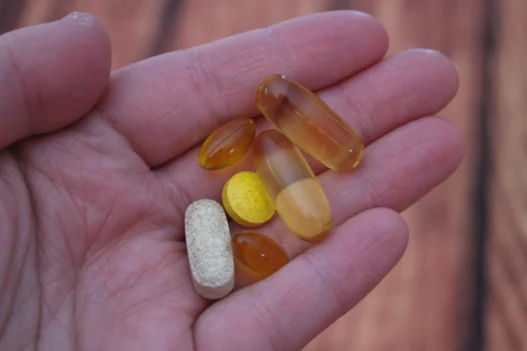
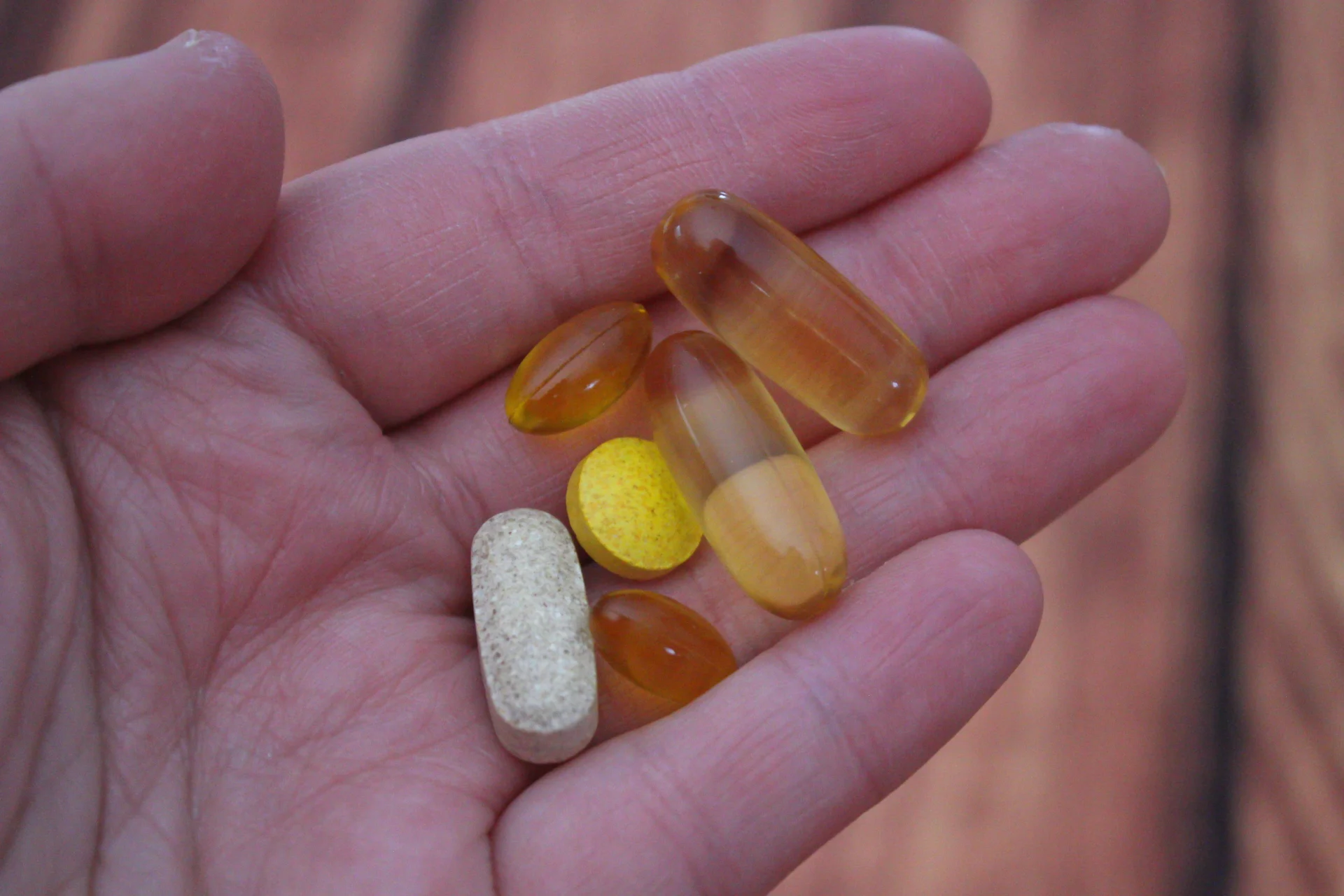
Treatment for 3A00.1, acquired iron deficiency anemia due to low intake, typically involves iron supplementation. This can be in the form of oral iron supplements or intravenous iron therapy, depending on the severity of the anemia. The goal of treatment is to replenish the body’s iron stores and improve red blood cell production.
In addition to iron supplementation, dietary changes may also be recommended to address the low intake of iron. Patients with 3A00.1 may be advised to consume more iron-rich foods such as red meat, poultry, fish, legumes, and leafy green vegetables. Vitamin C is also important for iron absorption, so adding citrus fruits or vitamin C supplements to the diet may be beneficial.
Regular monitoring of iron levels and red blood cell counts is essential during treatment for 3A00.1. This allows healthcare providers to evaluate the effectiveness of the treatment and adjust as needed. In some cases, additional testing may be done to identify and address any underlying causes of the iron deficiency anemia, such as gastrointestinal bleeding or malabsorption.
🌎 Prevalence & Risk
In the United States, the prevalence of 3A00.1, or acquired iron deficiency anemia due to low intake, varies among different population groups. Certain demographics, such as young children, pregnant women, and individuals with certain chronic conditions, are at a higher risk of developing this type of anemia due to inadequate dietary iron intake. Overall, it is estimated that about 9% of the US population may be affected by iron deficiency anemia, with a significant portion of cases attributed to low iron intake.
In Europe, the prevalence of acquired iron deficiency anemia due to low intake also shows variation across different countries and regions. Factors such as dietary habits, access to fortified foods, and cultural practices can impact the prevalence of this type of anemia in European populations. Despite overall improvements in nutrition and public health programs in many European countries, iron deficiency remains a common issue in certain populations, particularly among women of childbearing age and children.
In Asia, the prevalence of acquired iron deficiency anemia due to low intake is influenced by a variety of factors, including dietary patterns, socioeconomic status, and access to healthcare. In regions where diets are traditionally low in iron-rich foods, such as plant-based diets or limited access to animal proteins, the risk of developing iron deficiency anemia due to low intake may be higher. Efforts to address malnutrition and improve access to iron-rich foods and supplements have been implemented in some Asian countries to reduce the burden of iron deficiency anemia.
In Africa, the prevalence of acquired iron deficiency anemia due to low intake is a significant public health concern, particularly in regions where access to nutritious foods and healthcare services is limited. Factors such as widespread poverty, food insecurity, and inadequate iron supplementation programs contribute to the high prevalence of iron deficiency anemia in many African countries. Efforts to address the underlying causes of low iron intake, such as improving agricultural practices, increasing access to fortified foods, and promoting iron supplementation, are essential in reducing the burden of iron deficiency anemia in Africa.
😷 Prevention
To prevent 3A00.1 (Acquired iron deficiency anaemia due to low intake), it is essential to maintain a diet rich in iron. Iron-rich foods include red meat, poultry, fish, beans, and dark leafy greens like spinach. Consuming vitamin C-rich foods, such as citrus fruits and bell peppers, can help increase iron absorption.
Avoiding foods and beverages that can inhibit iron absorption is also crucial in the prevention of iron deficiency anaemia. These include calcium-rich products like dairy, coffee, and tea. It is advisable to consume these items separately from iron-rich meals to maximize iron absorption.
Regularly getting screened for iron deficiency anaemia through blood tests can help catch any deficiencies early on and allow for prompt intervention. Individuals at higher risk for iron deficiency anaemia, such as pregnant women, vegetarians, and individuals with gastrointestinal disorders, should pay particular attention to their iron intake and consider supplementation if necessary.
🦠 Similar Diseases
One disease that is similar to 3A00.1 is iron deficiency anemia due to chronic blood loss (ICD-10 code D50.0). This condition occurs when there is a continuous loss of blood over a prolonged period, leading to a depletion of iron stores in the body. Chronic blood loss can result from gastrointestinal diseases such as ulcers, tumors, or inflammatory conditions.
Another related disease is anemia of chronic disease (ICD-10 code D63.1), which is a type of anemia that can occur in individuals with chronic inflammatory diseases such as autoimmune disorders, infections, or cancer. In anemia of chronic disease, the body’s ability to use iron properly is impaired, leading to decreased production of red blood cells and hemoglobin.
Additionally, thalassemia (ICD-10 code D56.0) is a genetic disorder that can result in anemia similar to acquired iron deficiency anemia. Thalassemia causes a decreased production of hemoglobin, leading to a reduced number of red blood cells. Individuals with thalassemia may require regular blood transfusions to maintain normal hemoglobin levels.
Lastly, anemia of renal disease (ICD-10 code D63.1) is another condition that shares similarities with acquired iron deficiency anemia due to low intake. Anemia of renal disease occurs in individuals with chronic kidney disease, where the kidneys are unable to produce enough erythropoietin, a hormone that stimulates red blood cell production. This results in decreased red blood cell production and subsequent anemia.